
Composite Gates Edinburgh
Composite and metal driveway, side and garden gates, made to measure for your opening and fitted across Edinburgh. Every gate is surveyed on site, built to those measurements, and installed by the same people who quoted it — with the city's conservation requirements taken into account from the first conversation.
Free survey and written quote. No obligation, and a straight answer on whether we cover your postcode.
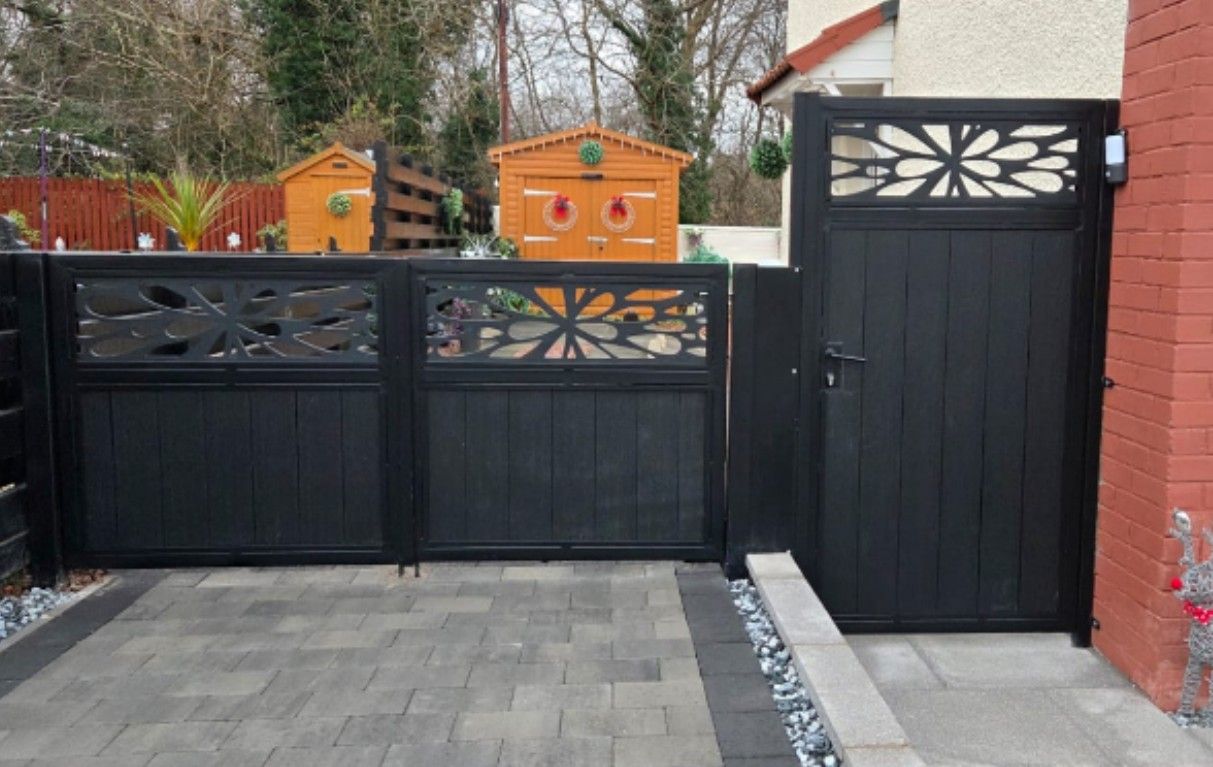
Composite driveway gates in Edinburgh
Every gate is made to measure for the opening it goes on. A small selection of driveway gates — hinged and sliding, arched and square-topped.
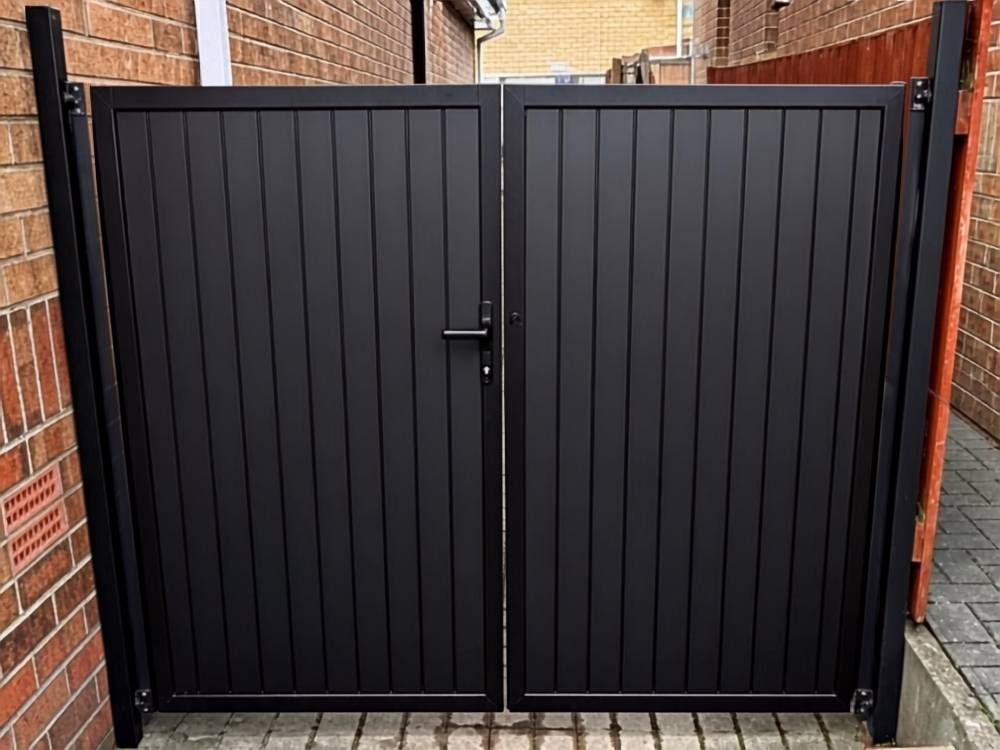
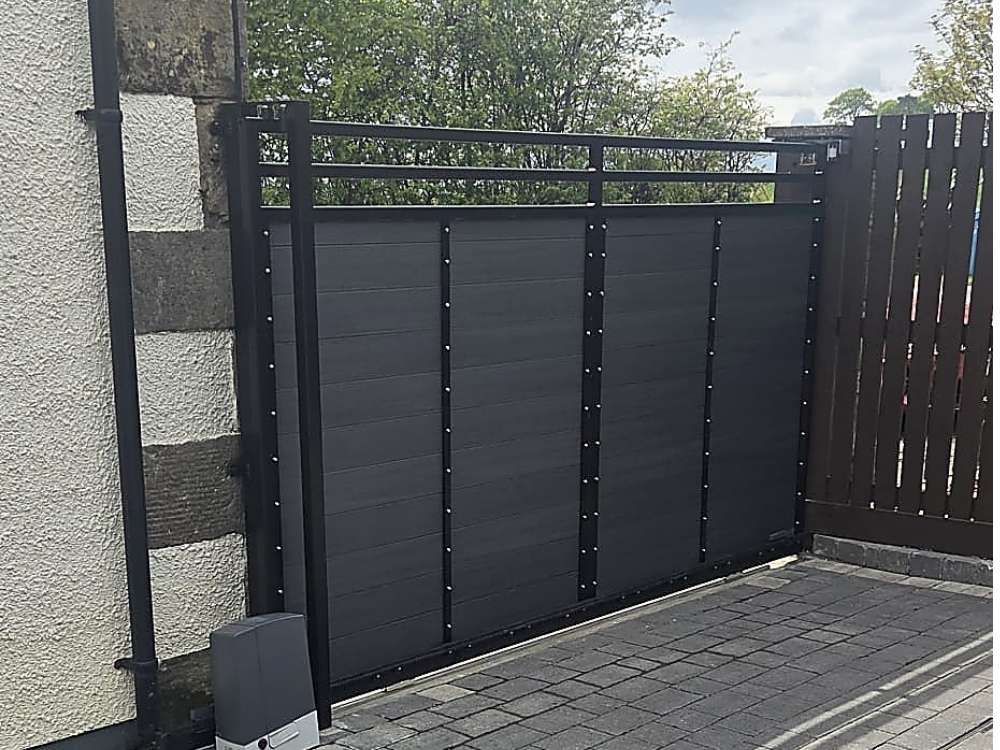
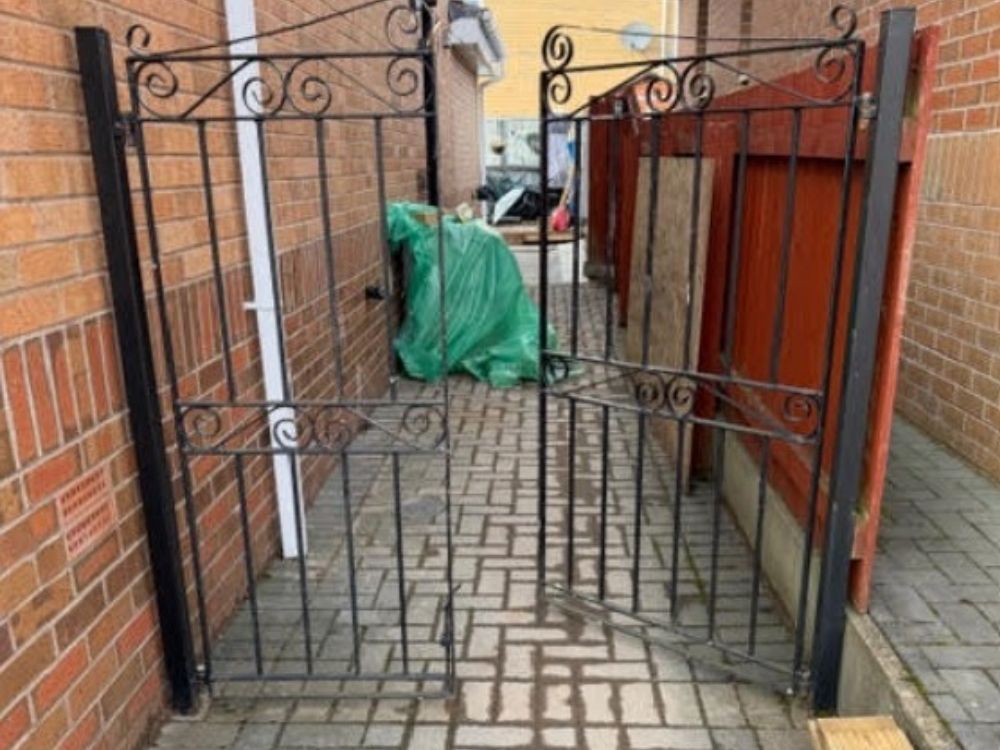
Something here close to what you had in mind? Get a free quote.
Composite side and pedestrian gates
Side gates, back gates and pedestrian gates, made to the opening rather than cut down to fit a stock size — which is why they still close cleanly years later.
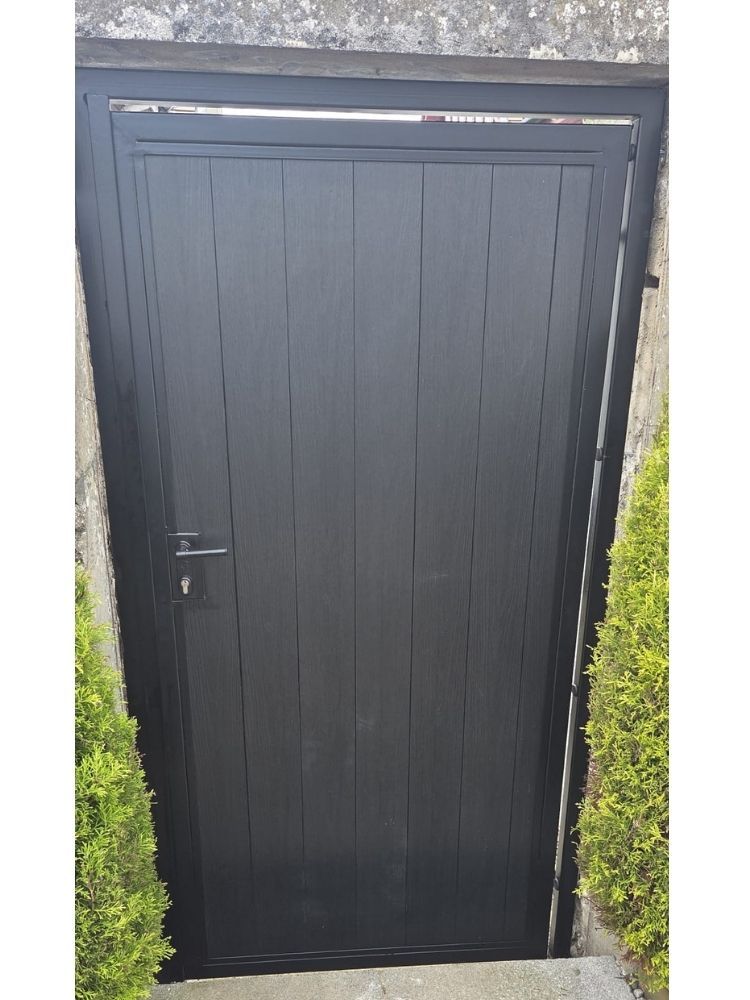
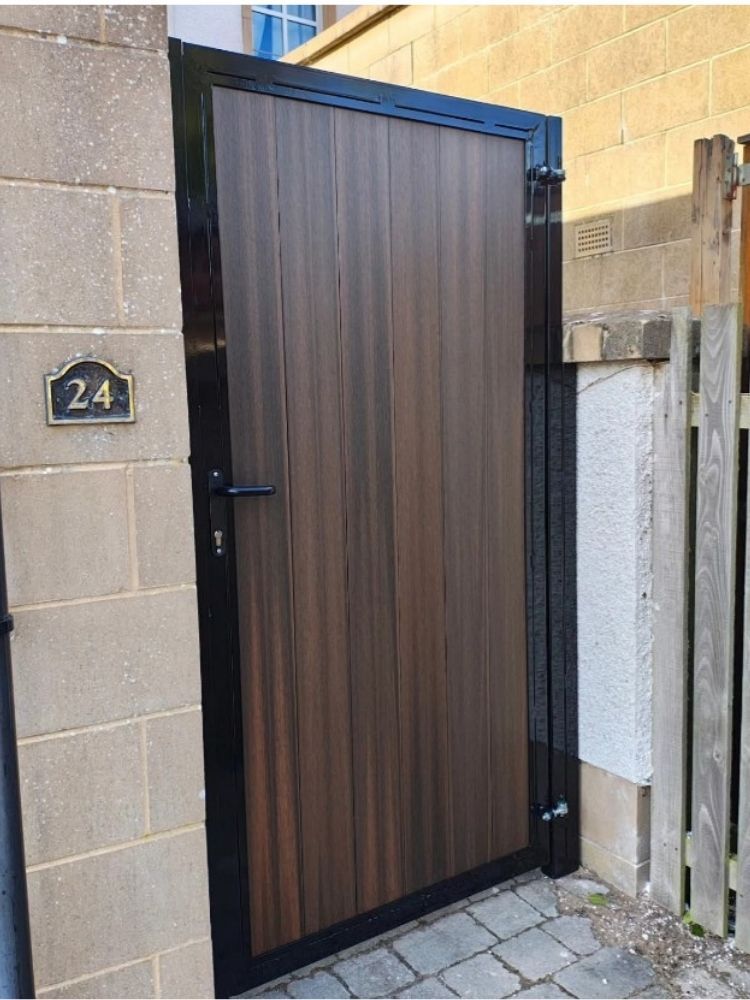
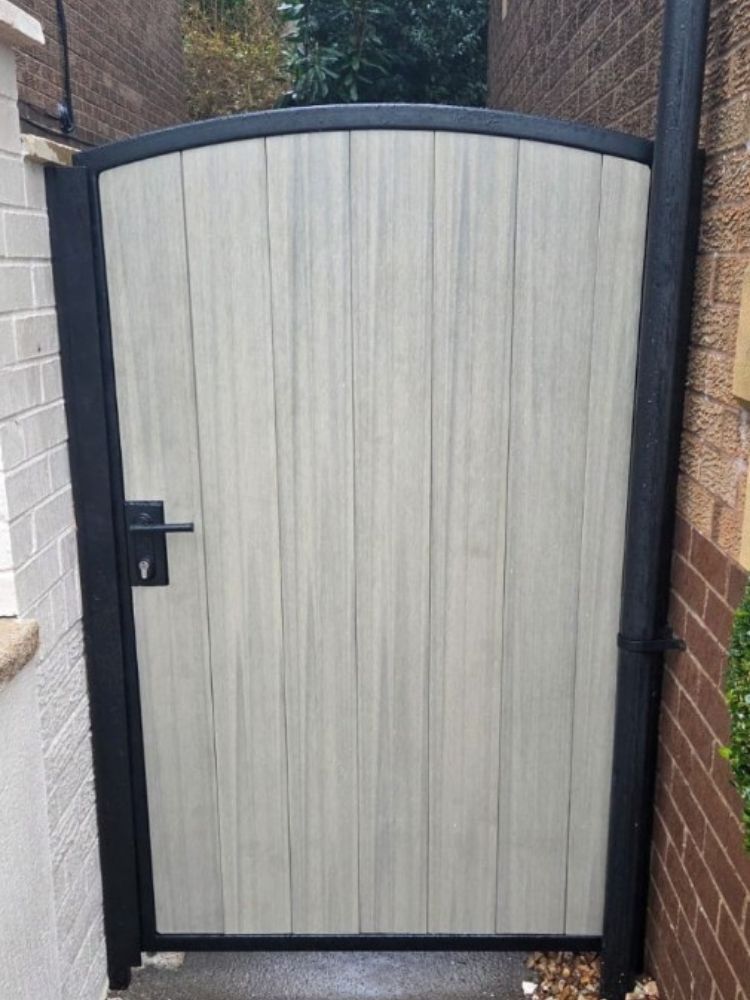
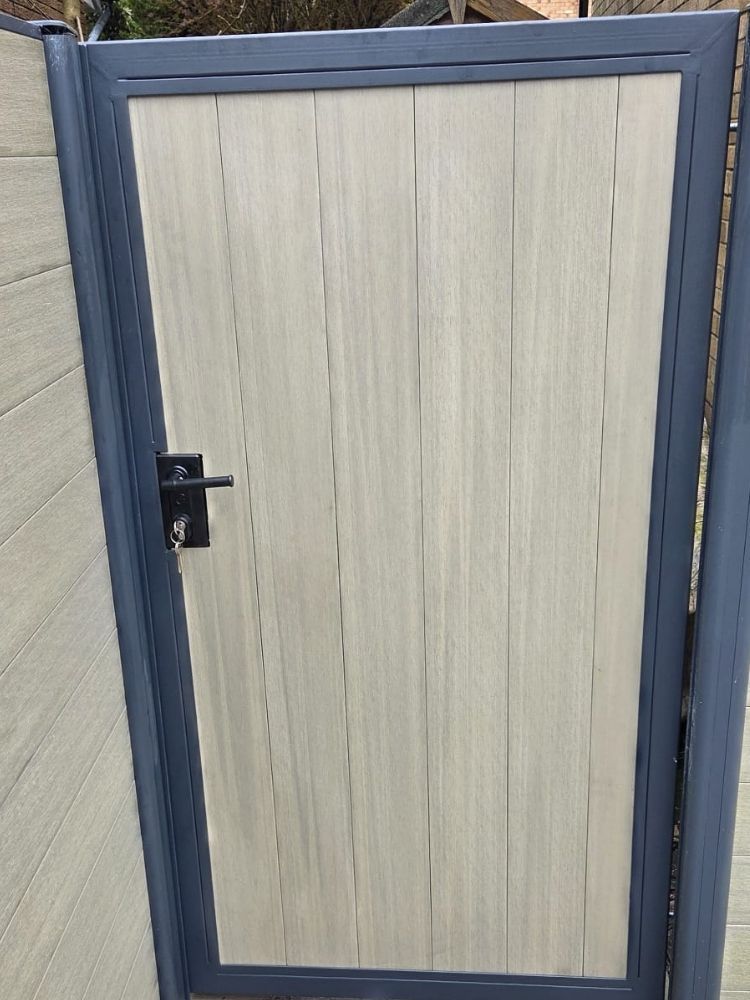
Want the same style as your driveway gates? Get a free quote.
Coverage moves. We are always reviewing how the installers on our network are performing and taking on new ones as demand grows, so the towns below are where we work most consistently rather than a complete or permanent list.
Areas we cover around Edinburgh
The surrounding suburbs and villages are covered too. If your area is not named, send your postcode and we will confirm.
Edinburgh and the city suburbs
Covered across the city: Leith, Portobello, Newington, Morningside, Marchmont, Stockbridge, Trinity, Corstorphine, Colinton, Currie, Balerno, Cramond, Davidson's Mains, Liberton, Gilmerton, South Queensferry and the surrounding suburbs.
Beyond the city
Musselburgh, Dalkeith, Bonnyrigg, Penicuik, Tranent, Haddington, North Berwick, Dunbar, Linlithgow, Bathgate and Broxburn are covered from our Lothian page.
What we make and fit
- Composite driveway gates Double and single leaf, hung or sliding, manual or automated.
- Composite garden gates Side gates, back gates and matching pedestrian gates.
- Metal gates Steel and metal-framed gates, made to measure.
- Electric gates Automation on new gates, or retro-fitted to existing ones.
- Composite fencing Matching fence panels and screens to tie the boundary together.
What Edinburgh asks of a gate
Conservation is the first question in this city, not the last
Edinburgh has one of the largest protected historic areas in the UK — the Old and New Towns are a World Heritage Site, and conservation areas extend well beyond them across Marchmont, Morningside, Stockbridge, Trinity and much of the Victorian suburbs. Thousands of properties are listed. Height, style, material and how a gate reads alongside its neighbours all get looked at more closely here than almost anywhere, and consent is often needed rather than occasionally. It shapes the design; it rarely prevents a gate. The council is the authority and asking first is much cheaper than asking after.
Stone piers, railings and matching what is there
Edinburgh boundaries are sandstone and cast iron far more often than brick and timber, and a new gate has to sit with them rather than against them. Railings set the visual language of a whole terrace, so a solid modern gate dropped into a run of ironwork rarely reads well and often will not be accepted in a conservation area. The pier is a practical question too: sandstone weathers, and a century-old pier may not carry the pull of a tall, fully boarded leaf without work first.
The wind is not a joke here
Edinburgh is one of the windiest cities in the UK, and the exposure worsens the closer you get to the Forth — Trinity, Granton, Cramond and out along the East Lothian coast. A tall, fully boarded pair on an exposed frontage catches everything, and the load goes straight into the hinges, posts and foundations. A partly open infill or a lower top rail lets wind through, and on an exposed opening that is the specification rather than a compromise.
Sloping streets, setts and getting the gate there
The city is built on hills, and a great many driveways run up or across a slope — a swing gate has to clear rising ground through its whole arc, and on a steep approach it cannot, which points to a sliding gate. Access is its own question: narrow streets, setts, controlled parking and permit zones all affect how and when a gate is delivered and fitted. It is much easier planned at survey than discovered on the morning.
What affects the cost
Gate prices move on a handful of variables rather than a fixed rate. The main ones are:
Width of the opening — the single biggest factor, and what decides whether a single leaf, a pair or a sliding gate is appropriate.
Design constraints — conservation area and listed building requirements can shape height, style and material.
Ground levels — a sloping approach affects both the gate design and what automation is possible.
Height and infill — on an exposed frontage near the Forth the infill drives the specification.
Existing stone piers and railings — whether they can carry the gate as they stand, or need making good first.
Access for installation — narrow streets, setts and permit parking affect how the work is scheduled.
FAQs about Composite Gates in Edinburgh & the Lothians
Do you cover my area if it is not listed above?
Very likely. Edinburgh and the surrounding Lothians are covered as a whole — Musselburgh, Dalkeith, Penicuik, Haddington, North Berwick, Dunbar, Bathgate and Linlithgow are all within reach even where they do not yet have a page of their own. Send your postcode and you will get a straight answer either way.
I am in a conservation area — can I have a new gate?
Usually yes, but expect the details to be looked at. Edinburgh's protected areas are extensive and go well beyond the Old and New Towns, and a great many properties are listed. Height, style, material and how the gate sits alongside neighbouring frontages all matter, and consent is often required. The council is the authority — raise it when you enquire and check with them before ordering.
Will a composite gate look right next to cast iron railings?
It depends on the property and the run. In a terrace where railings set the visual language, a solid modern gate often looks wrong and may not be accepted in a conservation area — a metal gate or a more open design usually sits better. We would rather tell you that at survey than sell you a gate that looks out of place in its own street.
How exposed is too exposed for a solid gate?
Anywhere with a clear run at the Forth, which includes a good deal of north Edinburgh and the East Lothian coast. On those frontages a tall, fully boarded pair takes serious wind load, and it ends up in the hinges and the foundations. A partly open infill or a lower top rail is the answer, and on wide openings a sliding gate. It is assessed at the opening rather than guessed.
My street is narrow with permit parking — is that a problem?
No, but it needs planning rather than improvising. Narrow streets, setts and controlled parking hours all affect how a gate is delivered and when it can be fitted. Tell us the parking situation when you enquire and it gets built into the schedule instead of being worked around on the day.
Not sure you are in range? Send us your postcode and we will confirm whether we can cover you — either way, you will get a straight answer.
Get a free quote← Back to all areas we cover