
Composite Gates Fife
Composite and metal driveway, side and garden gates, made to measure for your opening and fitted across Fife — Dunfermline, Kirkcaldy, Glenrothes, St Andrews and the East Neuk. Every gate is surveyed on site, built to those measurements, and installed by the same people who quoted it.
Free survey and written quote. No obligation, and a straight answer on whether we cover your postcode.
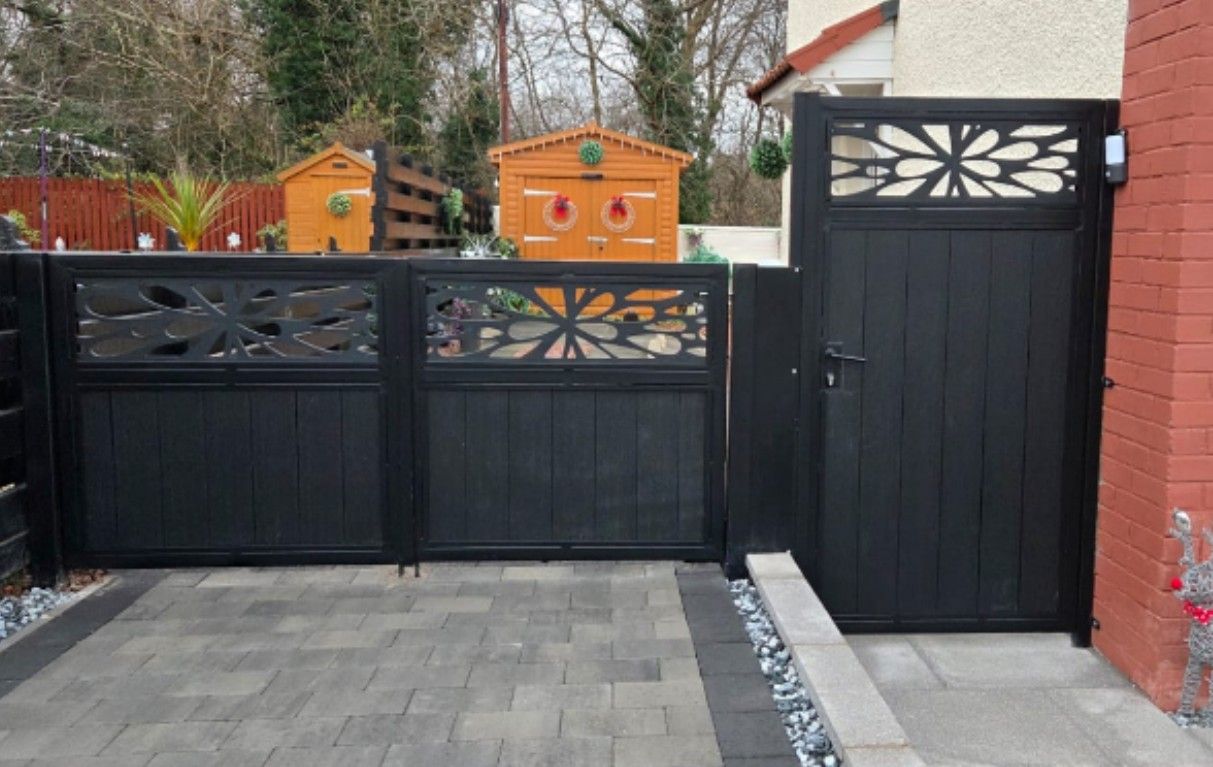
Composite driveway gates in Fife
Every gate is made to measure for the opening it goes on. A small selection of driveway gates — hinged and sliding, arched and square-topped.
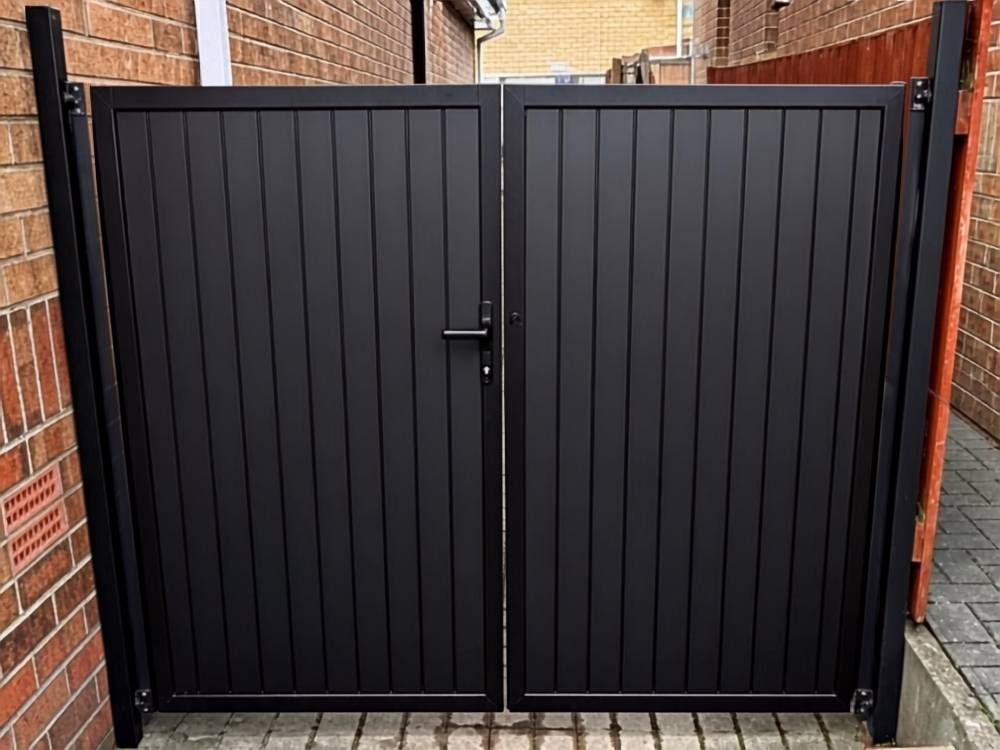
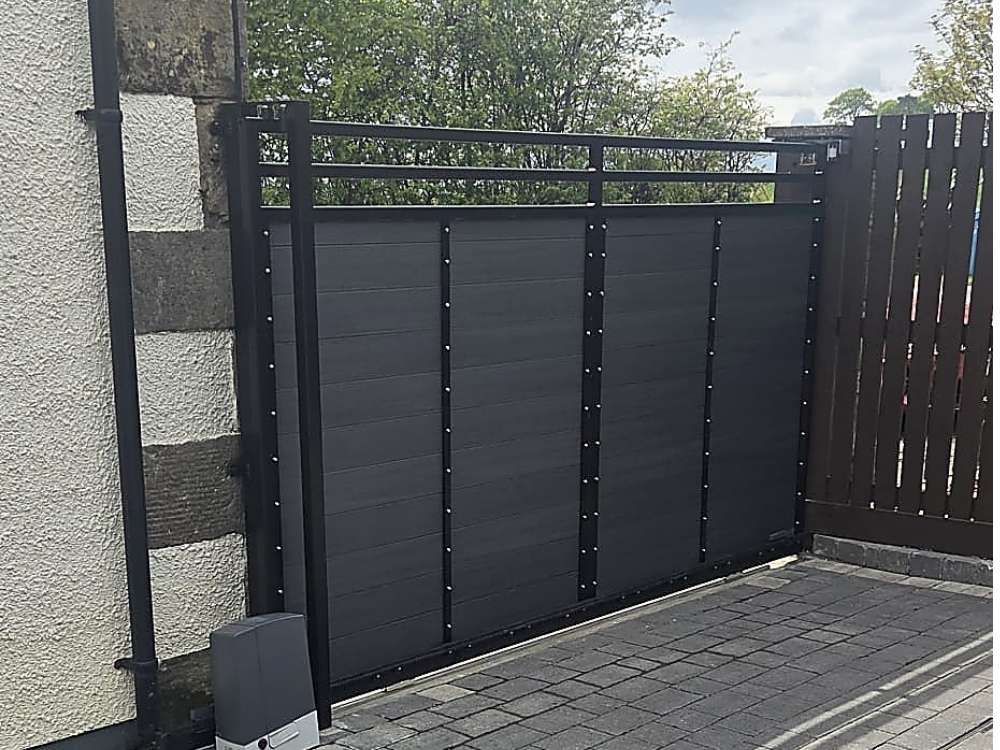
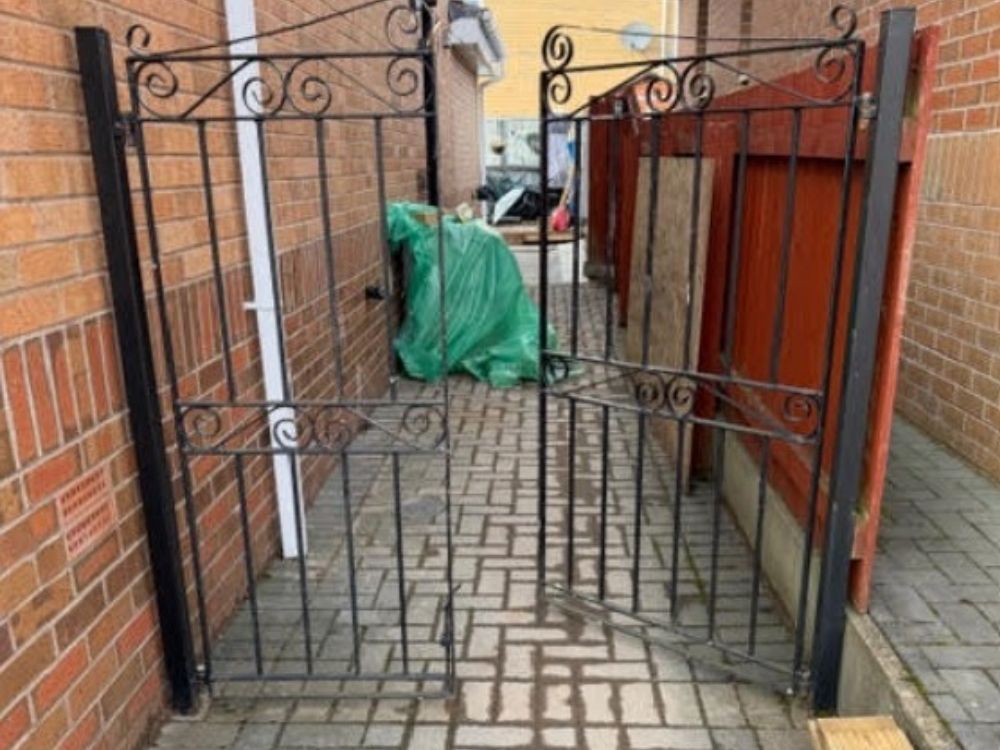
Something here close to what you had in mind? Get a free quote.
Composite side and pedestrian gates
Side gates, back gates and pedestrian gates, made to the opening rather than cut down to fit a stock size — which is why they still close cleanly years later.
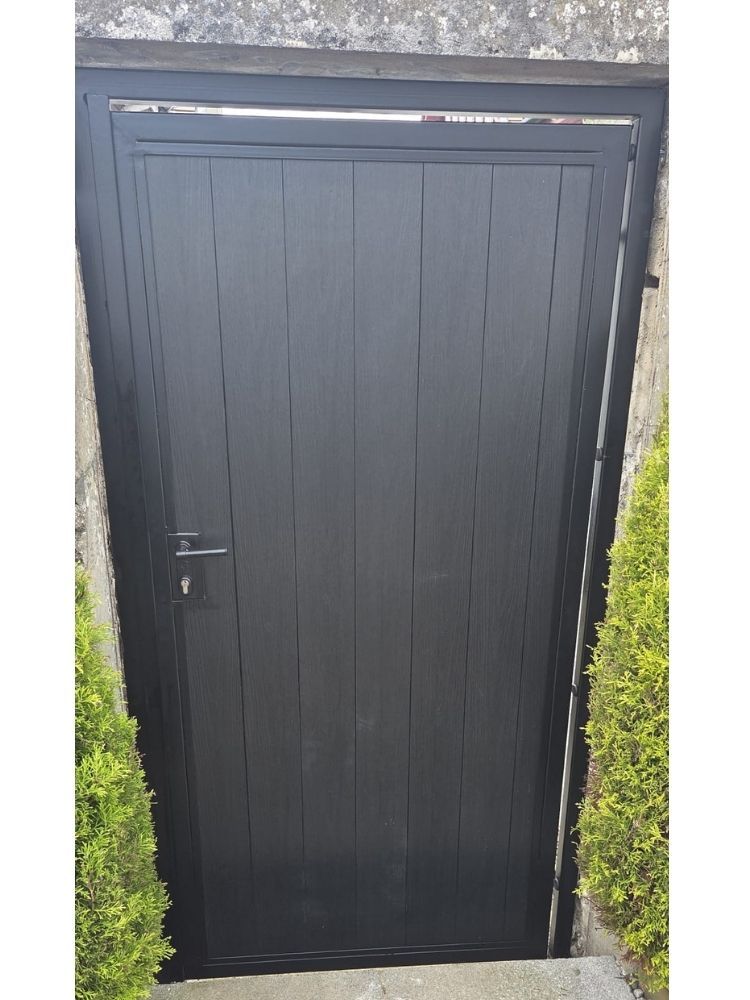
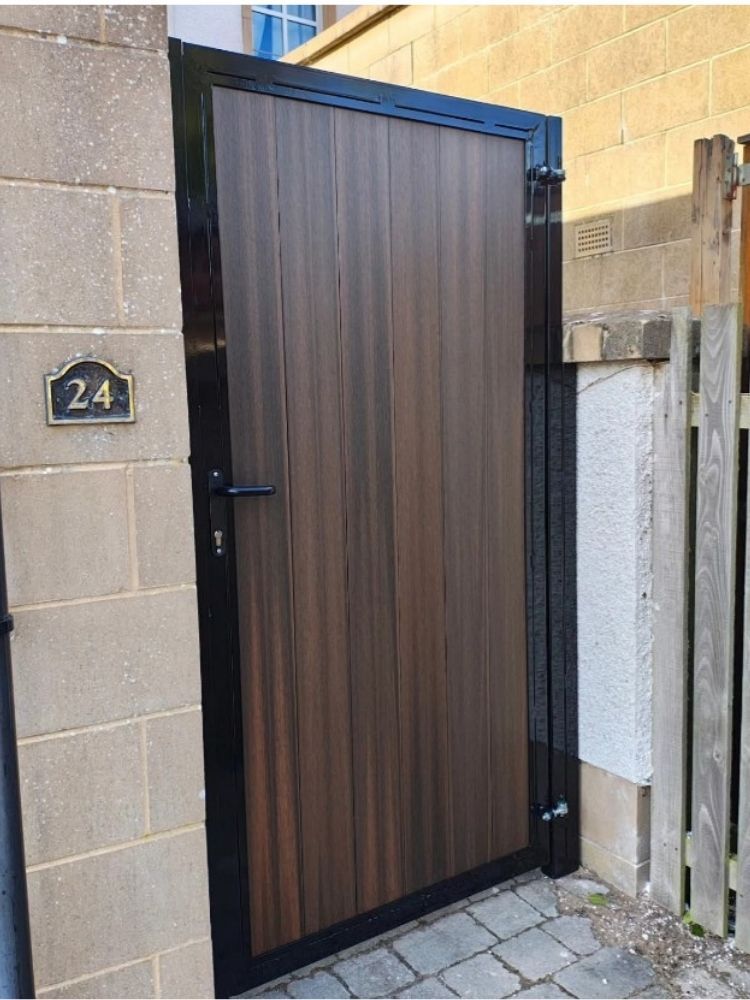
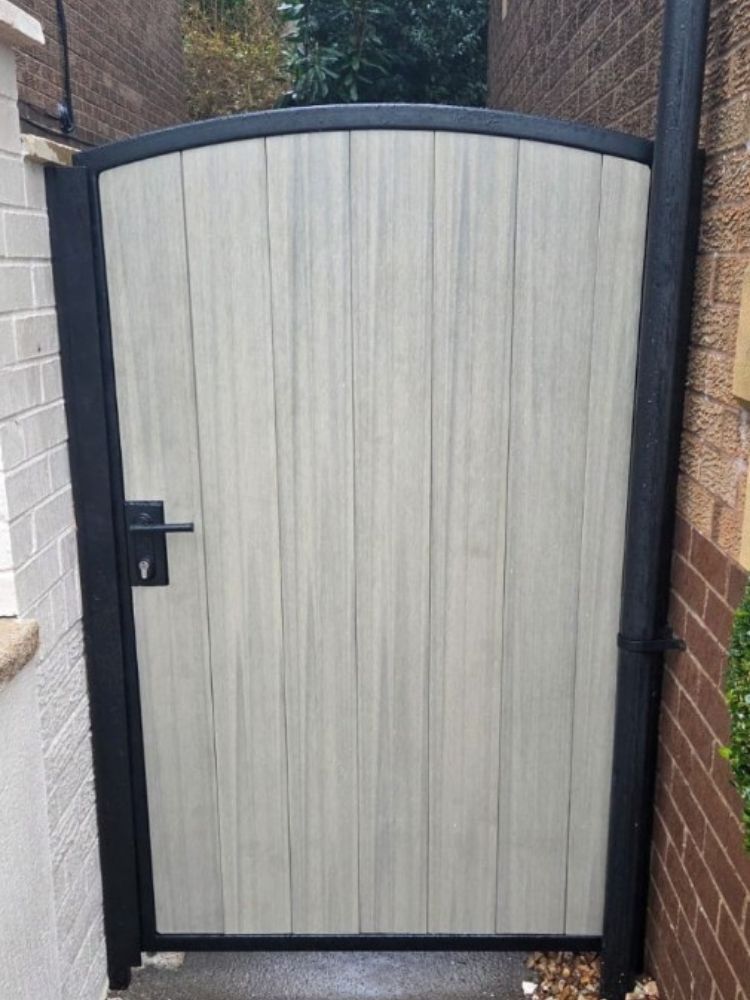
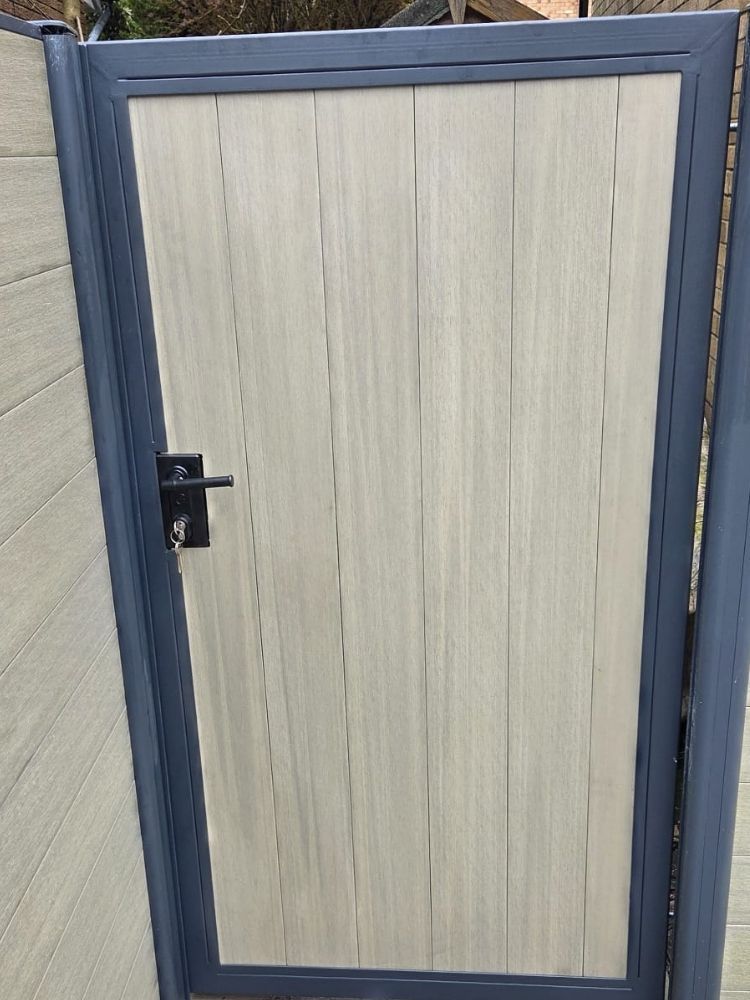
Want the same style as your driveway gates? Get a free quote.
Coverage moves. We are always reviewing how the installers on our network are performing and taking on new ones as demand grows, so the towns below are where we work most consistently rather than a complete or permanent list.
Towns we cover across Fife
The surrounding villages and suburbs of each are covered too. If your town is not named, send your postcode and we will confirm.
West & central Fife
Also covered: Inverkeithing, Burntisland, Kinghorn, Cupar, Lochgelly and the surrounding villages.
The East Neuk & the coast
Also covered: Anstruther, Crail, Pittenweem, Elie, St Monans and the East Neuk villages.
What we make and fit
- Composite driveway gates Double and single leaf, hung or sliding, manual or automated.
- Composite garden gates Side gates, back gates and matching pedestrian gates.
- Metal gates Steel and metal-framed gates, made to measure.
- Electric gates Automation on new gates, or retro-fitted to existing ones.
- Composite fencing Matching fence panels and screens to tie the boundary together.
What Fife asks of a gate
Old mining ground, and why it matters at the post
Much of west and central Fife sits over former coal workings, and the ground carries that history. Made-up land, old workings and fill behave differently from undisturbed ground: they settle, and they settle unevenly. A post foundation that would be perfectly sound elsewhere can move over a few winters, and the first sign of it is a gate that gradually stops closing cleanly. If you know the history of your plot, tell us at survey — it changes how the posts are set and it is far cheaper to allow for than to correct.
The East Neuk and the coast take real weather
From Kirkcaldy round through Leven to St Andrews and the East Neuk, the coast is open to the North Sea and there is very little between a gate and the wind. Salt comes with it. The composite board is untroubled — the colour runs through it and there is no coating for salt to break down — but the metal parts want specifying properly, and a tall solid pair on an exposed coastal plot behaves like a sail whatever it is made of.
St Andrews, and properties that stand empty
St Andrews and the East Neuk villages carry a lot of second homes, holiday lets and term-time-only properties, and a gate on a house that is empty for weeks at a time is doing a different job from one on a family home. The questions change: hinges that cannot be lifted, a frame that cannot be levered, and a gate that latches reliably without anyone there to check it. Automation is worth considering for the same reason, so the gate is not left standing open between visits.
Conservation at St Andrews, Culross and the burghs
St Andrews, Culross and a good number of Fife burghs carry conservation areas and listed frontages, some among the most tightly protected in Scotland. Height, style and material can all be looked at, and consent is sometimes needed. In the East Neuk in particular a gate has to sit with pantile, harl and crow-stepped gable rather than against it. Fife Council is the authority — check before ordering rather than after.
What affects the cost
Gate prices move on a handful of variables rather than a fixed rate. The main ones are:
Width of the opening — the single biggest factor, and what decides whether a single leaf, a pair or a sliding gate is appropriate.
Ground conditions — former workings and made-up land can need deeper or wider post foundations.
Height and infill — on the coast the infill drives the specification as much as the look does.
Coastal finish specification — plots on the Fife coast need a higher-grade finish and better fixings.
Automation — whether the gate is manual, built ready for automation, or automated from the start.
Design constraints — conservation areas at St Andrews, Culross and the burghs can shape height, style and material.
FAQs about Composite Gates in Fife
Do you cover my town if it is not listed above?
Very likely. The towns listed are where we work most often across Fife, and the surrounding villages of each are covered as a matter of course. Send your postcode and you will get a straight answer either way rather than a maybe.
My plot is over old mine workings — does that matter?
It can, and it is worth saying at survey. Made-up land and former workings settle unevenly, so a post foundation that is sound elsewhere can move over a few winters — and the symptom is a gate that slowly stops closing properly. Knowing the history changes how the posts are set, and allowing for it costs a fraction of correcting it later.
What is different about a coastal plot in the East Neuk?
Wind and salt. The coast is open to the North Sea, so a tall solid gate takes considerable load and the metal parts take constant salt. A partly open infill or a lower top rail helps with the first; a higher-grade finish on the frame, hinges and fixings deals with the second. The composite board itself is unaffected either way.
The property is empty for weeks at a time — what should I think about?
Whether the gate closes and stays closed without anyone there. That points to hinges that cannot be lifted off, a frame that resists levering, and a latch that works every time rather than most of the time. Automation is worth considering too, because a manual gate on an empty property tends to be left open by whoever was last there.
Do conservation rules apply in St Andrews or the East Neuk?
They can, and in places they are strict. St Andrews, Culross and several Fife burghs have conservation areas and many properties are listed. Height, style and material may all be looked at, and in the East Neuk a gate has to sit with pantile and harl rather than against it. Fife Council is the authority — ask before ordering.
Not sure you are in range? Send us your postcode and we will confirm whether we can cover you — either way, you will get a straight answer.
Get a free quote← Back to all areas we cover