
Composite Gates Glasgow
Composite and metal driveway, side and garden gates, made to measure for your opening and fitted across Glasgow, Paisley, Dumbarton, Greenock and the surrounding suburbs. Every gate is surveyed on site, built to those measurements, and installed by the same people who quoted it.
Free survey and written quote. No obligation, and a straight answer on whether we cover your postcode.
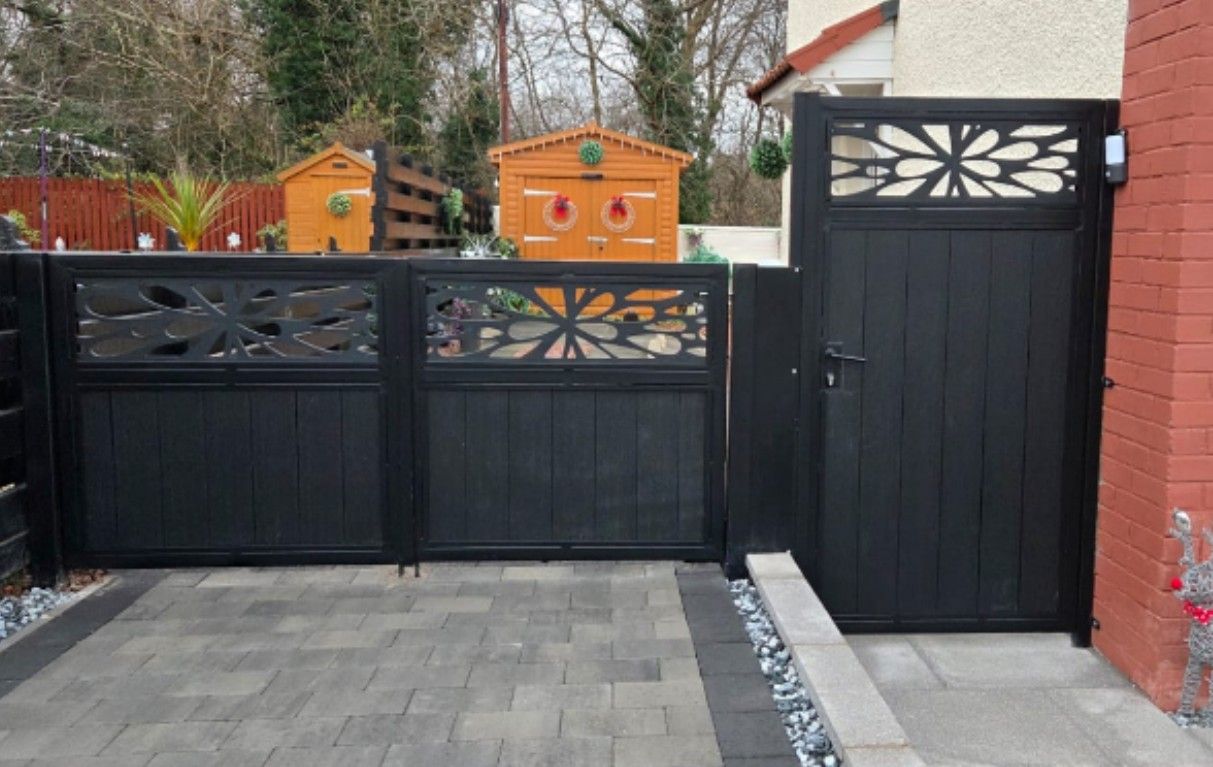
Composite driveway gates in Glasgow
Every gate is made to measure for the opening it goes on. A small selection of driveway gates — hinged and sliding, arched and square-topped.
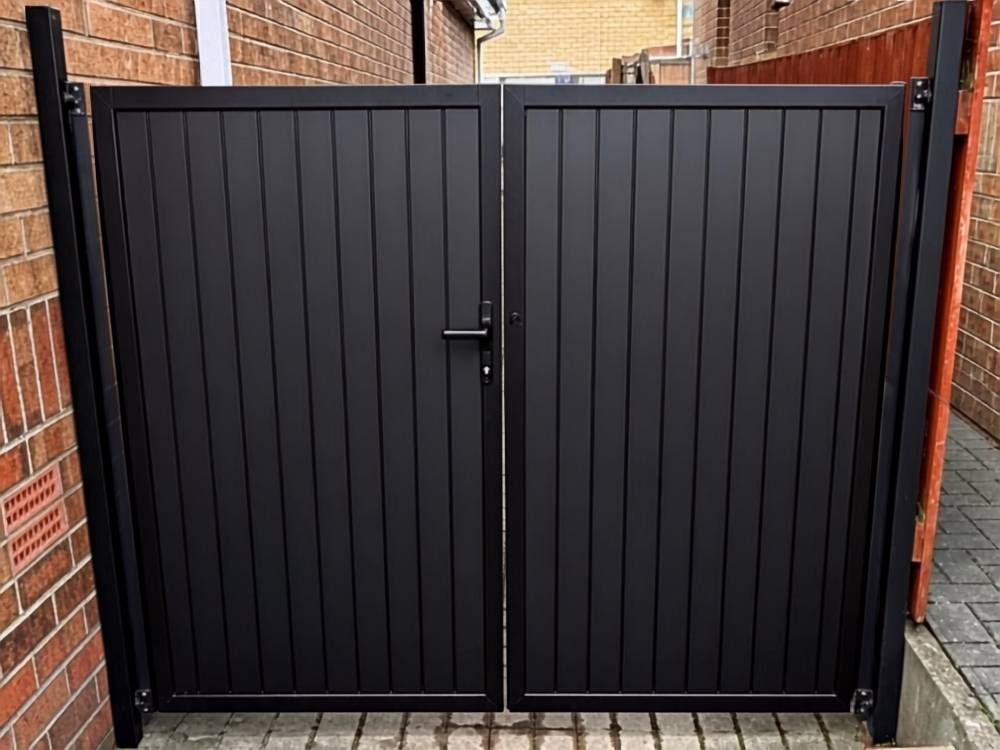
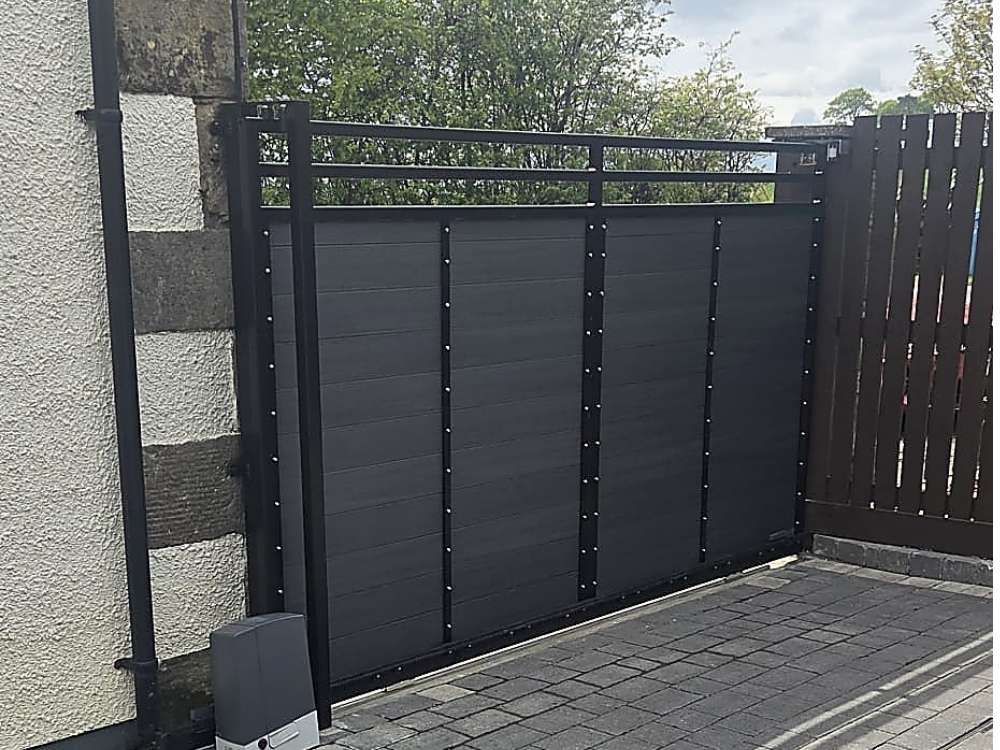
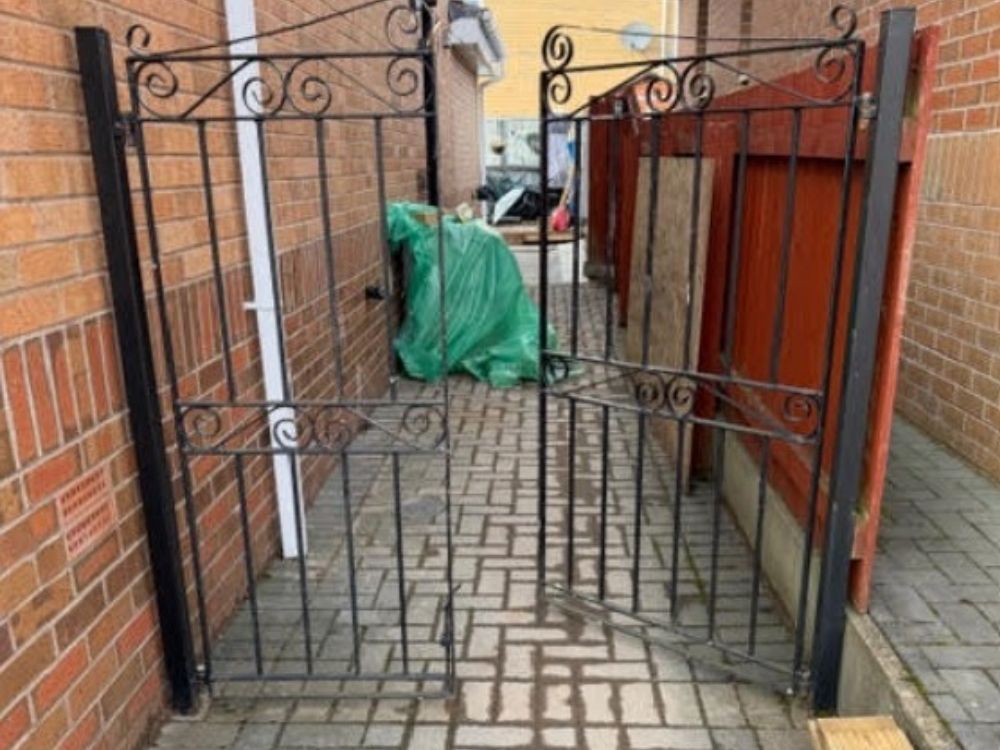
Something here close to what you had in mind? Get a free quote.
Composite side and pedestrian gates
Side gates, back gates and pedestrian gates, made to the opening rather than cut down to fit a stock size — which is why they still close cleanly years later.
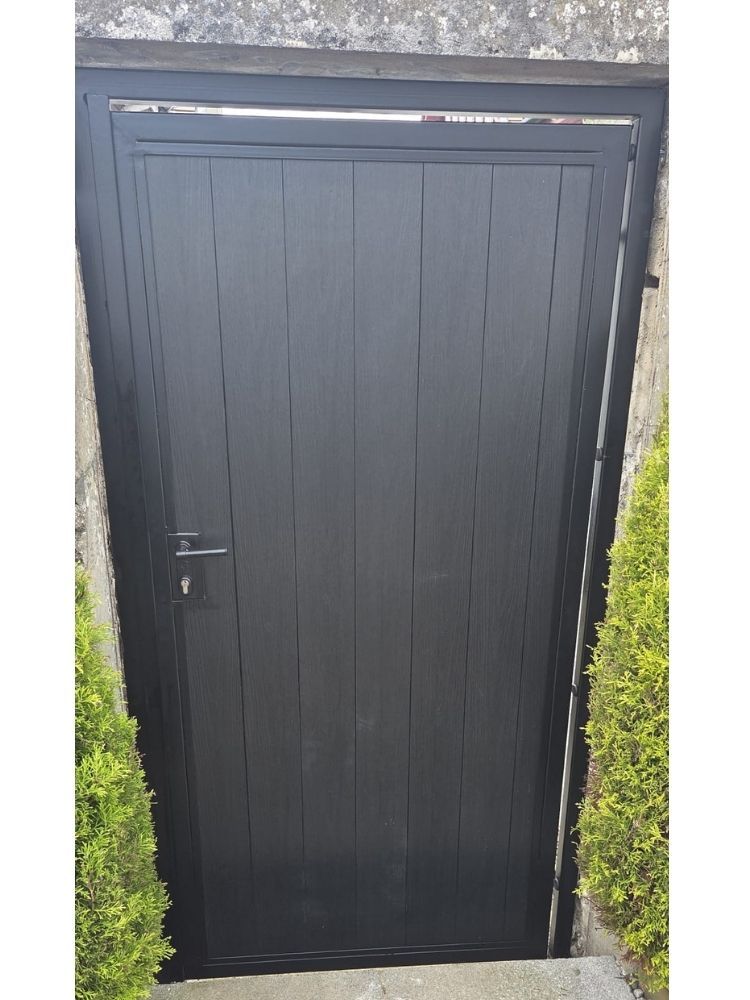
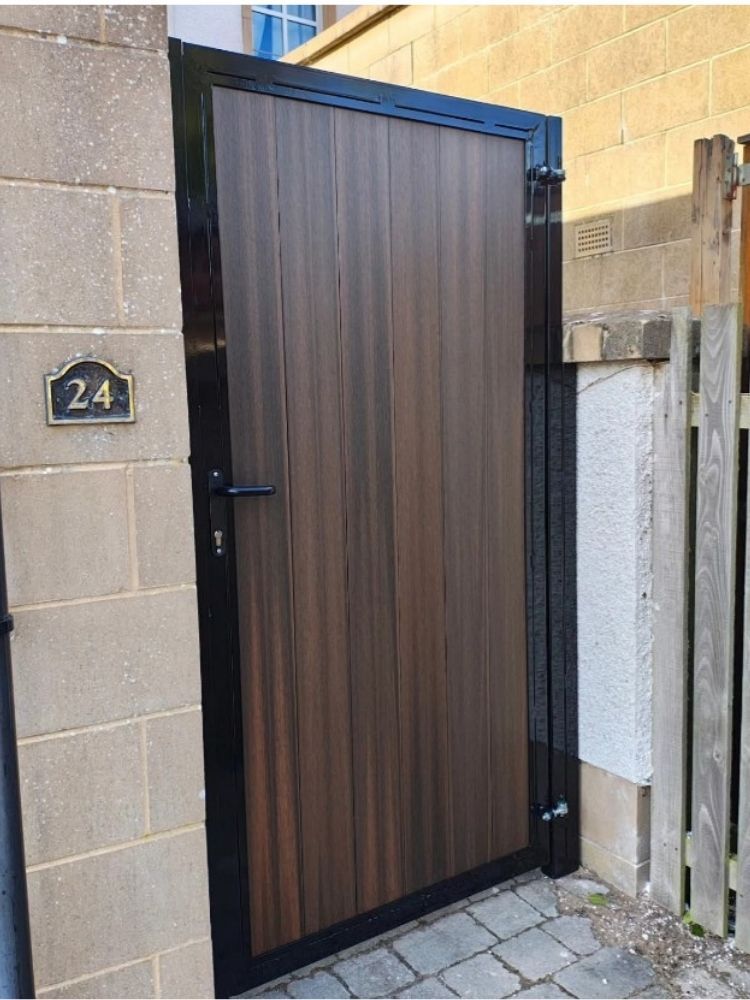
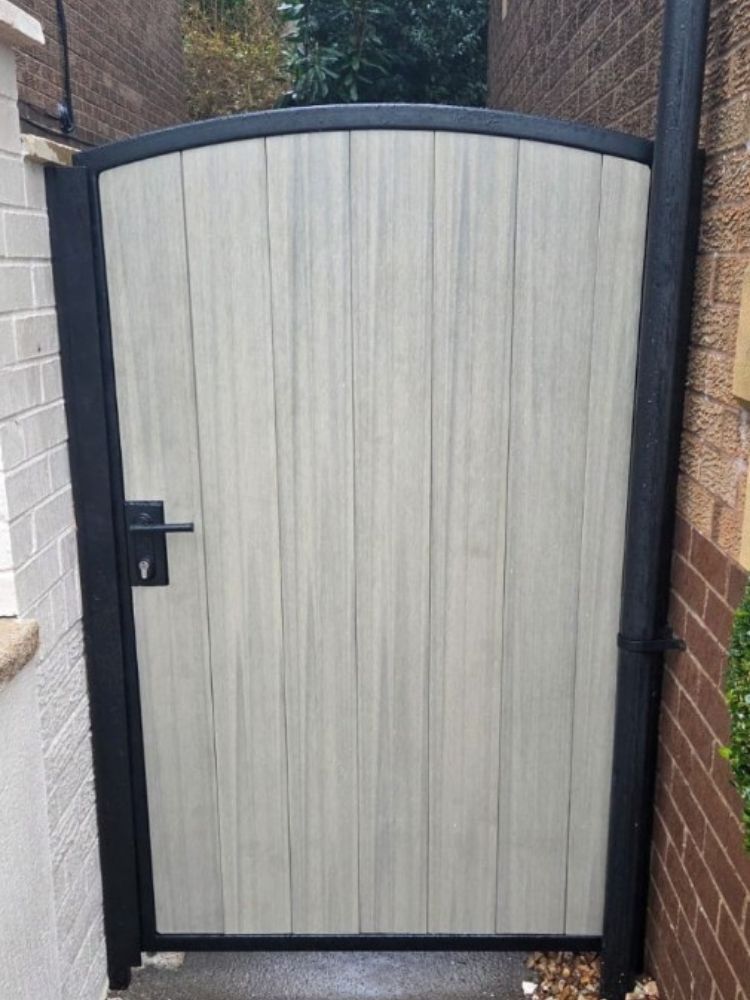
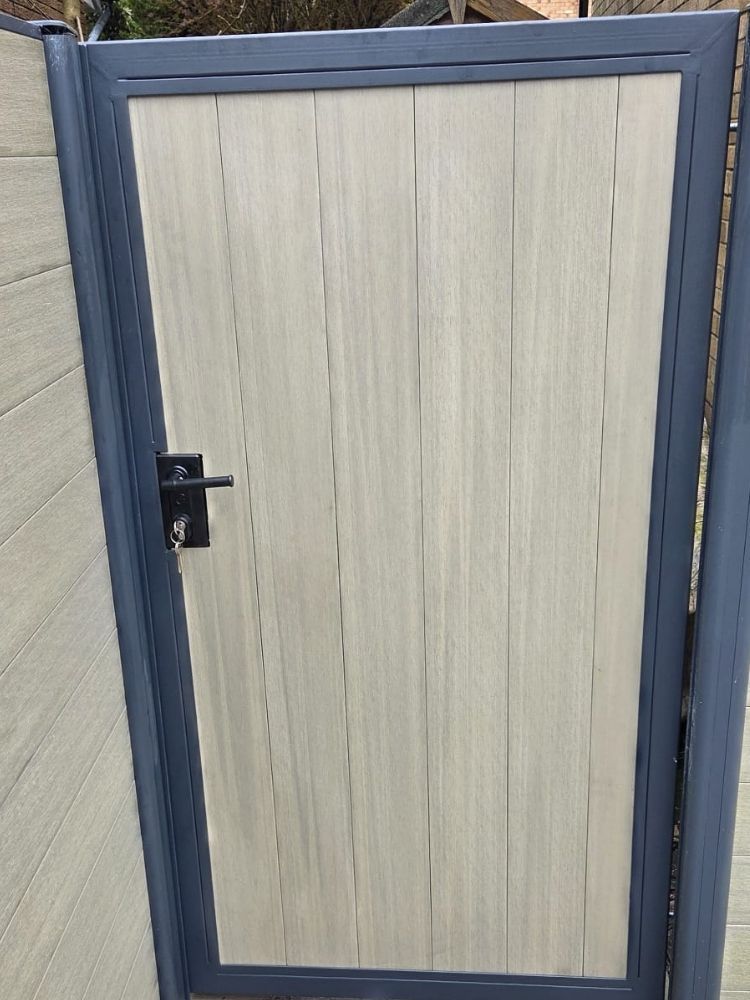
Want the same style as your driveway gates? Get a free quote.
Coverage moves. We are always reviewing how the installers on our network are performing and taking on new ones as demand grows, so the towns below are where we work most consistently rather than a complete or permanent list.
Areas we cover around Glasgow
The surrounding suburbs and villages are covered too. If your area is not named, send your postcode and we will confirm.
Glasgow and the city suburbs
Also covered: Clydebank, Renfrew, Bearsden, Milngavie, Bishopbriggs, Newton Mearns, Giffnock, Barrhead, Rutherglen, Cambuslang and the surrounding suburbs.
East of the city, East Kilbride, Hamilton, Motherwell, Coatbridge, Airdrie, Cumbernauld and Lanark are covered from our Lanarkshire page.
What we make and fit
- Composite driveway gates Double and single leaf, hung or sliding, manual or automated.
- Composite garden gates Side gates, back gates and matching pedestrian gates.
- Metal gates Steel and metal-framed gates, made to measure.
- Electric gates Automation on new gates, or retro-fitted to existing ones.
- Composite fencing Matching fence panels and screens to tie the boundary together.
What the west of Scotland asks of a gate
Rain here is relentless rather than occasional
The west of Scotland is among the wettest places in Britain, and it is sustained wet rather than hard frost that finishes gates. Timber takes water in through the end grain, swells, dries and works its joints loose a season at a time, and once the paint film goes the cycle accelerates. Composite does not absorb water, so there is nothing to swell, rot or repaint. On a boundary that is wet for a large part of the year, that is most of the case for the material.
Wind off the Atlantic, and what it does to a tall gate
Weather here arrives from the west with the Atlantic behind it, and exposed plots around the Clyde and out towards Greenock take the full force. A tall, fully boarded pair is a sail, and all of that load goes into the hinges, the posts and the foundations. A partly open infill or a lower top rail lets wind through instead of fighting it, and heavier posts set deeper carry what remains. It is a specification decision, not an upgrade.
Sandstone walls and existing piers
A great many Glasgow and Lanarkshire boundaries are sandstone rather than modern brick, and sandstone behaves differently. It weathers, it can be soft behind a sound-looking face, and a pier that has stood for a century may still not take the pull of a tall, fully boarded leaf. We check the piers at survey and say plainly if they need making good first, rather than hanging a heavy gate and hoping. Getting it right usually looks far better than introducing new posts.
Winter, road salt and the ground
Two things worth allowing for. Road salt reaches gates on driveways close to a treated road, and it works on cheap fixings and thin paint finishes over years rather than weeks — the metal specification matters more than the board. And freeze-thaw through a west of Scotland winter is hard on shallow foundations. Posts set to a proper depth deal with both; posts set to a standard detail on a wet, exposed plot often do not.
What affects the cost
Gate prices move on a handful of variables rather than a fixed rate. The main ones are:
Width of the opening — the single biggest factor, and what decides whether a single leaf, a pair or a sliding gate is appropriate.
Height and infill — on an exposed plot the infill drives the specification as much as the appearance does.
Frame and finish — composite board on a metal frame, metal only, or composite with a decorative top — the finish grade matters in this climate.
Automation — whether the gate is manual, automated from the start, or built ready for automation later.
Existing sandstone piers — whether they can carry the gate as they stand, or need making good first.
Foundations — wet ground and freeze-thaw make post depth worth getting right rather than standard.
FAQs about Composite Gates in Glasgow & the West
Do you cover my area if it is not listed above?
Very likely. The towns listed are where we work most often across Glasgow, Renfrewshire, Dunbartonshire and Lanarkshire, and the surrounding areas of each are covered as a matter of course. Send your postcode and you will get a straight answer either way rather than a maybe.
Will a composite gate cope with the weather here?
Better than the alternatives, which is the honest reason it suits the west of Scotland. The board does not absorb water, so it cannot swell, rot or delaminate, and there is no paint film to blister or peel through a wet winter. A wash down once or twice a year is the maintenance. The parts to specify carefully are the metal ones.
Can you hang gates from existing sandstone piers?
Often, and it usually looks better than new posts. What decides it is condition — sandstone weathers, and a sound-looking face can sit in front of soft or loose material that will not hold a fixing under load. We assess the piers at survey and tell you honestly whether they need making good first.
What changes on an exposed plot near the coast or the Clyde?
The infill, the posts and the foundations. Wind arriving off the Atlantic puts real load on a tall solid gate, and that load ends up in the hinges and the ground. A partly open infill or a lower top rail lets wind through, and heavier posts set deeper take the rest. It is specified once we have seen how exposed the opening actually is.
Does road salt affect a gate on a driveway?
It affects the metal rather than the board. Salt spray from a treated road works slowly on thin finishes and cheap fixings, and the damage shows years later at the hinges rather than immediately. Where a gate sits close to a treated road we specify a better finish grade on the frame and fixings from the start.
Not sure you are in range? Send us your postcode and we will confirm whether we can cover you — either way, you will get a straight answer.
Get a free quote← Back to all areas we cover